
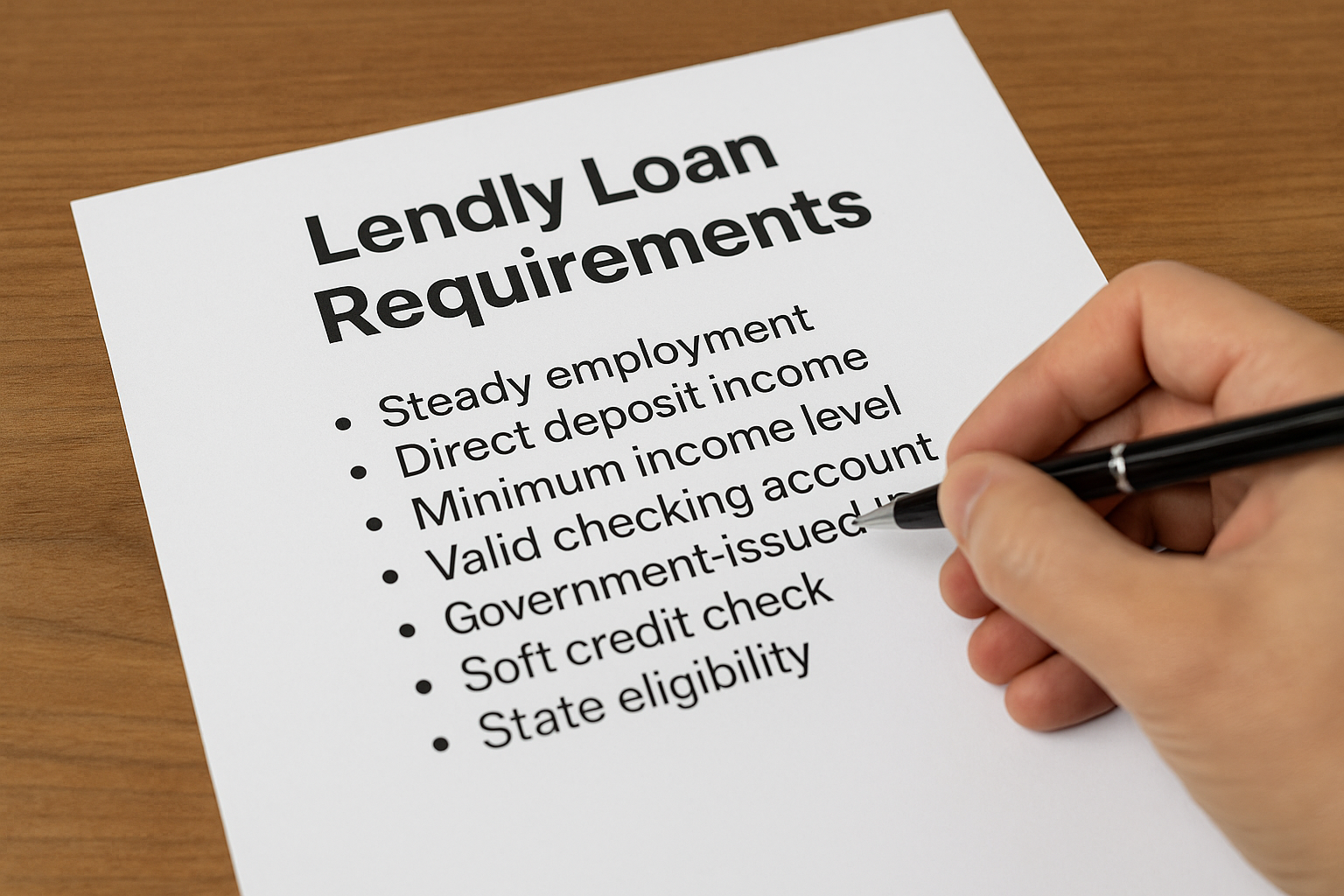
When it comes to emergency loans or short-term financial support, Lendly is becoming a go-to choice for many Americans. Known for their quick approval process and flexible repayment options, Lendly loans provide fast cash to qualifying applicants—especially those with steady employment. But before applying, it’s critical to understand what the Lendly loan requirements are and how you can meet them successfully.
In this comprehensive, blog post, we’ll walk you through Lendly’s loan eligibility, required documents, employer-related conditions, credit considerations, and more. Whether you’re facing an urgent expense or planning ahead, this guide is designed to help you meet the requirements and boost your approval chances.
What Is Lendly?
Lendly is a financial services company that provides personal loans, often targeted toward employees of partnered companies or those with regular payroll deposits. Their business model focuses on lending to individuals who may not have perfect credit but show stable employment. Lendly offers installment loans with predictable payments, typically deducted directly from your paycheck, making it a preferred lender for workers seeking simple borrowing terms.
Why Understanding Lendly Loan Requirements Matters
Understanding Lendly loan requirements before applying saves time, avoids unnecessary rejections, and increases your chances of securing a loan when you need it most. Lendly caters to working individuals, so aligning with their employment and banking prerequisites is essential. Additionally, being prepared with documentation ensures a smooth and faster loan approval process.
Key Benefits of Lendly Loans
Before diving into the requirements, let’s take a quick look at why borrowers choose Lendly:
-
Fast funding, often within one business day after approval
-
No collateral required
-
Payroll-deducted payments for ease and reliability
-
Doesn’t require perfect credit
-
Transparent fixed repayment terms
-
Good for short-term emergency expenses
Now, let’s break down the core Lendly loan requirements step-by-step.
-
Employment Requirements
The single most important factor for Lendly loan approval is your job.
Steady Employment
Lendly caters to full-time employees with a consistent income. You typically need to have a job with one of their partnered employers or at least meet their payroll criteria.
Partnered Employers
Lendly works directly with a network of employers. If you’re employed at one of these companies, your chances of approval are significantly higher. If not, Lendly will still assess your eligibility based on payroll frequency and deposit history.
Direct Deposit Mandatory
Your paycheck must be deposited via direct deposit into your checking account. This is because Lendly uses your income history to evaluate risk and also deducts loan repayments directly from your paycheck.
Minimum Length of Employment
While Lendly doesn’t publicly state a minimum employment duration, most approvals are granted to individuals who’ve been working at their job for at least 6 months. Consistent deposits and job history matter.
-
Banking Requirements
A valid and active checking account is a must for Lendly loan applicants.
Bank Account Age
Your checking account should be at least 90 days old. This shows banking stability and gives Lendly enough data to evaluate your financial habits.
Banking Activity
Frequent overdrafts, NSF (non-sufficient funds) occurrences, or irregular deposits may hurt your chances of approval. A steady transaction history improves your profile.
Online Banking Access
You may be asked to connect your bank account securely using a third-party tool like Plaid to verify income and account status. Make sure your online banking credentials are up-to-date.
-
Income Requirements
Lendly does not list a specific income threshold, but your pay frequency and amount matter significantly.
Consistent Pay Schedule
Lendly prefers applicants with biweekly, semimonthly, or weekly pay schedules. Irregular pay or inconsistent deposits could disqualify your application.
Minimum Income Estimate
While not officially stated, a general safe estimate is $1,000–$1,500 monthly take-home pay. The higher your income, the more flexible your repayment capacity.
Paystub Verification
Some applicants may need to upload recent paystubs or provide bank statements showing consistent deposits. Keep at least two months of pay documentation on hand.
-
Identification and Documentation
Having the right documents ready can speed up your approval process.
Valid Government ID
Make sure your driver’s license or state ID is not expired and matches your address and legal name.
Social Security Number (SSN)
You’ll need to provide your SSN during the application process for identity verification and credit inquiry purposes.
Proof of Employment
Lendly may contact your employer or request documentation like recent paystubs or W-2s to verify employment and income.
Bank Statements
Recent bank statements may be requested to verify your direct deposit activity and assess your ability to repay the loan.
-
Credit Score and Background Check
Unlike traditional lenders, Lendly does not require an excellent credit score.
Soft Credit Pull
Lendly uses a soft credit check during the application, which does not affect your credit score. This is primarily used to verify your identity.
Bad Credit Considered
Applicants with poor or fair credit may still qualify if they meet employment and income requirements.
No Hard Inquiry
Lendly loans are particularly attractive for people looking to avoid a hard inquiry that could reduce their credit score.
-
Loan Terms and Repayment Conditions
Understanding how Lendly’s loans are structured is just as important as knowing how to qualify.
Loan Amounts
Typical Lendly loans range from $500 to $2,000, depending on your financial profile and employer partnership.
Repayment Terms
Loan payments are usually deducted directly from your paycheck, making it easier to avoid missed payments.
APR & Fees
While Lendly’s APRs are higher than traditional banks (often between 100%–200%), they are consistent with emergency loan providers. Lendly provides full transparency before you accept the loan.
Late Fees
Failing to make payments or switching jobs without notifying Lendly may result in fees. Communicate with them proactively to avoid penalties.
States Where Lendly Operates
Lendly loans are not available in every state.
Check State Eligibility
Before applying, make sure Lendly offers services in your state. As of recent updates, Lendly operates in select states including Ohio, Utah, Missouri, and others.
State Laws May Vary
Each state has different lending laws and restrictions. These can affect your loan amount, interest rates, and repayment terms.
How to Improve Your Chances of Getting Approved
If you’re unsure whether you’ll qualify, follow these actionable tips:
-
Ensure your job uses direct deposit
-
Avoid overdrafts or bounced payments in the months before applying
-
Have recent paystubs and a valid ID ready
-
Maintain stable employment and banking activity
-
Apply during regular business hours for faster review
Common Reasons for Lendly Loan Denial
Understanding why applications are declined can help you avoid the same mistakes.
-
No direct deposit
-
Bank account too new
-
Irregular or insufficient income
-
Multiple NSF transactions
-
Incomplete application
-
Unsupported employer
What to Do If You’re Denied
Getting denied isn’t the end of the road. Here’s what you can do next:
-
Review the denial message carefully
-
Improve your employment or banking history
-
Reapply after 30–60 days
-
Explore alternative lenders with similar eligibility criteria
Lendly vs Other Loan Providers
Let’s briefly compare how Lendly stacks up against other personal loan providers:
Lendly vs. OppLoans
-
Lendly is ideal for employed applicants with direct deposit, while OppLoans works with broader audiences.
-
OppLoans may have slightly higher loan limits but similar APR ranges.
Lendly vs. Payday Loans
-
Lendly offers installment-based repayment vs. lump sum with payday loans.
-
Lendly reports payments, helping build credit; most payday lenders do not.
Final Thoughts: Is Lendly Right for You?
If you have consistent employment with direct deposit and need a short-term financial boost, Lendly could be a strong option. It’s particularly beneficial for workers with less-than-perfect credit who value simple, automated payments and quick access to cash.
Before applying, ensure that you meet all Lendly loan requirements—from employment to banking criteria—to increase your chances of fast approval.
By being proactive, prepared, and transparent in your application, you can take advantage of Lendly’s borrower-friendly process and avoid unnecessary delays or denials.