
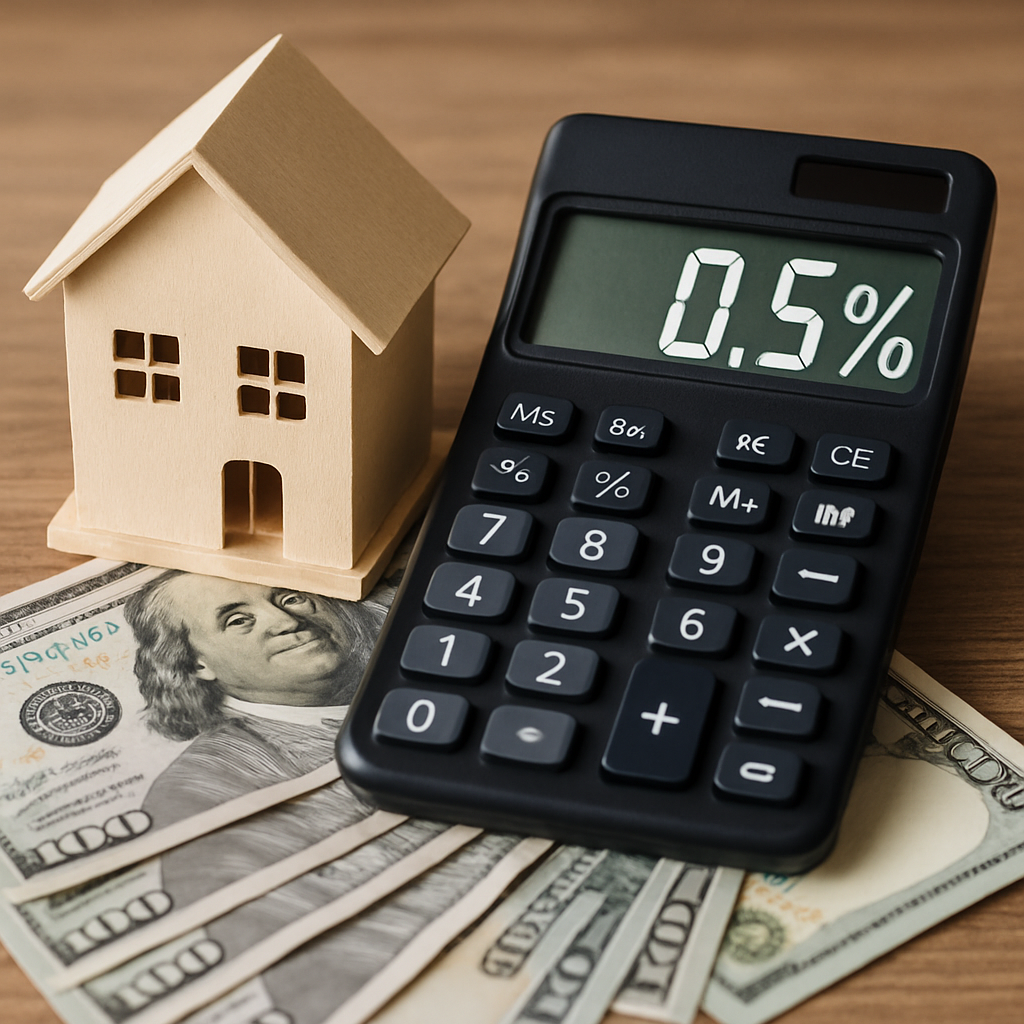
A low interest mortgage is one of the most effective ways to save money when buying a home. It helps reduce the overall cost of borrowing by minimizing the amount you pay in interest over the life of the loan. For many people, securing a home loan with a low interest rate can mean the difference between struggling with monthly payments and enjoying financial peace of mind.
As home prices continue to rise and inflation affects daily expenses, finding a mortgage option that offers the lowest interest possible is now more important than ever. Low interest mortgages can benefit both first-time homebuyers and seasoned homeowners looking to refinance. The idea is simple, when your mortgage interest is low, you pay less in total, freeing up more money for savings, home improvements, or other life needs.
But not all mortgages are created equal, and the options available today are far broader than most people realize. Whether you have excellent credit, poor credit, or no credit history at all, there are ways to access affordable home loans. You might even be able to qualify for options that come with no closing costs, require no money down, or even carry zero interest.
Understanding What a Low Interest Mortgage Really Means
A low interest mortgage is simply a home loan that comes with a lower-than-average interest rate. Instead of paying more to borrow money from a lender, you pay less in interest each month, which helps reduce your total cost over the term of your loan. This not only brings down your monthly payments but can also make homeownership more accessible.
Interest rates can vary depending on a number of factors, including the current market conditions, the type of mortgage you choose, the length of the loan, and your credit profile. When you secure a low interest rate, it means the lender sees you as a lower risk, or the loan program is designed to make homeownership easier for buyers like you.
In today’s market, even a small difference in mortgage interest, say, between 6.5% and 5.9%, can save you thousands of dollars over the life of a loan. So, getting the best possible rate isn’t just a good idea, it’s financially smart.

Related read: How to Secure a Bad Credit Car Loan
500 Credit Score Home Loans
Many people believe that you need perfect credit to get a mortgage, but that’s not always true. If your credit score is around 500, you may still qualify for certain types of home loans, especially those backed by government programs like the FHA.
While these types of loans may not always come with the absolute lowest interest rates, some lenders do offer competitive low interest mortgage options even to borrowers with a 500 credit score. The key is knowing where to look. Some lenders specialize in working with buyers who have less-than-ideal credit and offer programs that allow for low down payments and more flexible underwriting requirements.
When paired with a loan product that offers lower interest, borrowers with a 500 credit score can still afford to buy a home and manage their monthly payments without stretching themselves too thin. Also, making a larger down payment, if possible, or showing steady income and employment can help offset the risk in the eyes of the lender, potentially improving your chances of getting a more favorable rate.
No Credit Check Mortgage
A no credit check mortgage is designed for people who don’t have a traditional credit history or who prefer not to have their credit report pulled during the application process. These types of home loans are not common with major banks, but some private lenders, credit unions, or community lending programs do offer them.
The idea is to use alternative methods to determine a borrower’s reliability, like proof of consistent rent payments, utility bills, or employment history. These mortgages may sometimes come with slightly higher fees or conditions, but if structured correctly, it is still possible to secure a low interest mortgage under this category, especially if the lender has programs tailored to help people in unique financial situations.
While not everyone will qualify for a no credit check mortgage, it provides a path for people who have avoided traditional credit or who are new to the country and haven’t had time to build a credit score. It offers an opportunity to own a home without being held back by the usual financial system rules, all while still having the chance to pay less interest if the loan is negotiated carefully.
No Closing Cost Home Loans
Closing costs are the fees and charges that come with finalizing a home loan, things like appraisal fees, title insurance, and loan origination fees. These costs can add up quickly, often totalling thousands of dollars. However, some lenders offer no closing cost home loans, which can be incredibly helpful if you’re trying to keep upfront costs low.
With a no closing cost mortgage, the lender either covers the costs for you or rolls them into the total loan amount. While this might slightly increase your loan balance, it can still be a smart decision, especially if the mortgage still offers a low interest rate.
You’ll be able to close on your home without having to come up with a large sum of cash, and your monthly payments can remain affordable as long as the interest rate is favorable. This kind of mortgage option is especially useful for first-time buyers or people who are trying to move quickly without draining their savings. It allows them to focus on moving in and settling down rather than worrying about unexpected fees.
Zero Down Home Loans
A zero down home loan allows you to purchase a house without making a traditional down payment. This can be a game-changer for people who have enough income to support monthly mortgage payments but haven’t saved up thousands of dollars for a down payment.
Government-backed programs like VA loans and USDA loans offer true zero down options for qualified buyers. Some conventional lenders also offer 3% or lower down payment programs that, when paired with grants or closing cost assistance, essentially become zero down.
Even though these programs reduce upfront costs, they don’t always mean the interest rate will be high. In fact, many zero down loan options are structured to include low interest mortgage rates, especially if the borrower has stable income, meets eligibility requirements, and chooses a fixed-rate loan. This combination of no down payment and low interest can make homeownership far more achievable for many families.

Curious about global loan opportunities? See this post: Which Country is Easiest to Get a Loan?
Loans With No Interest
A loan with no interest might sound too good to be true, but in certain situations, it’s a real option. While most standard mortgage loans charge interest over time, there are specific housing programs, especially those run by nonprofits, local housing agencies, or religious organizations, that offer zero-interest loans to qualifying buyers.
These loans are often meant for lower-income individuals or families buying their first home. Since there’s no interest, the monthly payments go entirely toward repaying the principal loan amount. That means you can own your home faster and avoid the added cost of interest entirely.
Of course, not everyone will qualify, and the availability of no interest home loans depends heavily on your location, income, and the specific housing assistance program. Still, if you can find one, it’s the most extreme form of a low interest mortgage, one that eliminates interest completely.
Easy Home Loans
An easy home loan refers to a loan process that is simple, fast, and more flexible than traditional mortgage routes. These types of loans are often tailored for people who don’t want to jump through hoops or wait months for loan approval. Easy home loans usually feature streamlined application processes, minimal paperwork, and fast decisions.
That said, easy doesn’t mean expensive. Many easy home loan providers are focused on offering fair, competitive terms, including low interest mortgage rates. They may not always advertise as the cheapest option, but if you’re dealing with a lender that’s transparent and focused on helping people buy homes, the interest rates can be very favorable.
These types of loans are popular with self-employed borrowers, gig workers, or anyone who may not fit the traditional borrower profile but still has the means to make consistent payments. As long as you compare offers and read the terms carefully, an easy home loan could provide both convenience and savings in one package.
Conclusion
A low interest mortgage can open the door to financial freedom by reducing your monthly payments and helping you build equity in your home faster. It’s not just about getting a better deal, it’s about setting yourself up for long-term stability and success.
By understanding how these various loan types connect to the broader concept of low interest mortgage lending, you put yourself in a stronger position. Each of these options can serve a different need, but they all share the same goal, making homeownership more accessible and less financially burdensome.
Buying a home is a big step, but with the right mortgage, it doesn’t have to be a stressful one. Focus on what you can afford, what makes sense for your long-term goals, and always compare your loan offers carefully. The right low interest mortgage can make a life-changing difference—not just for your finances, but for your future.